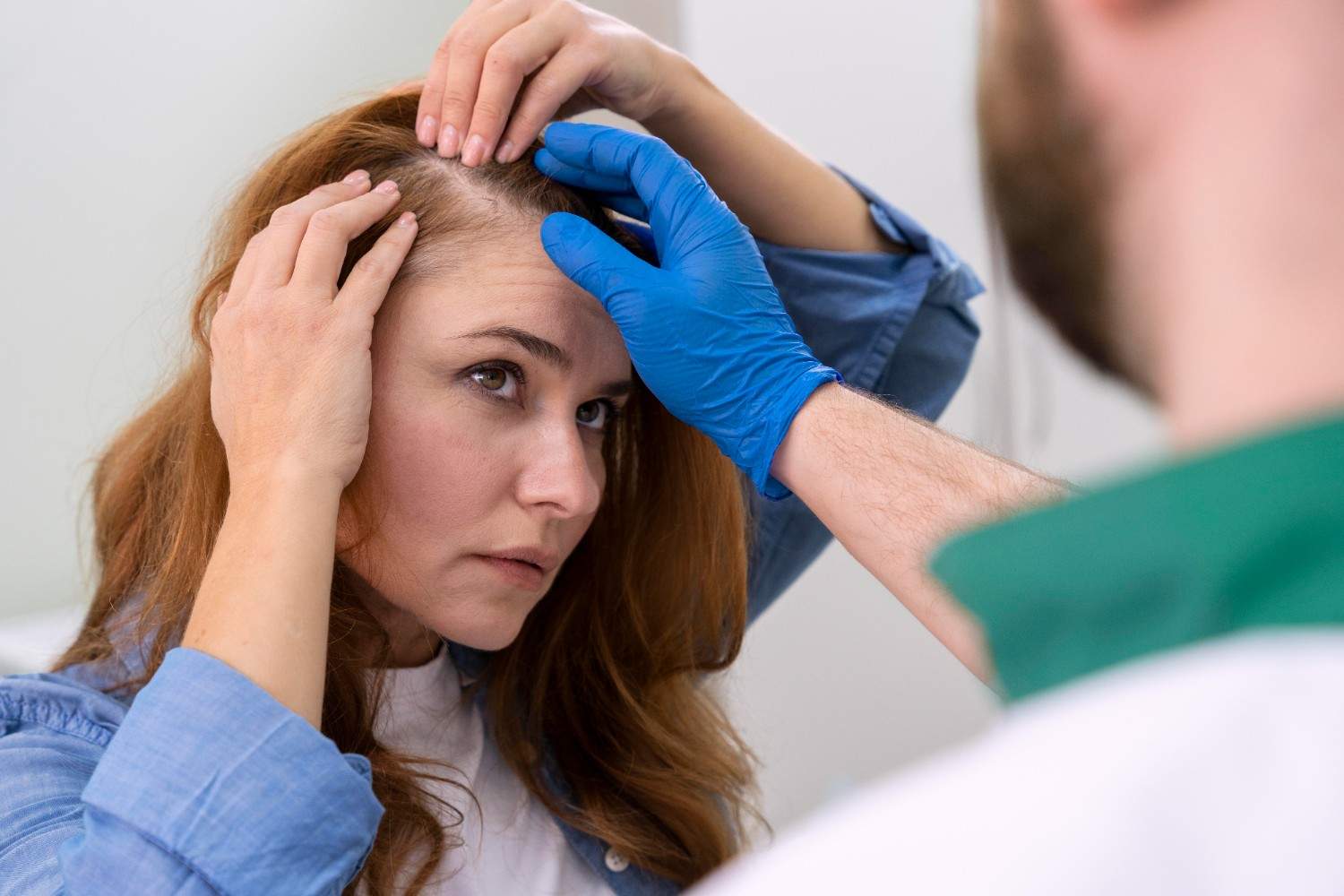
Female hair thinning surgical restoration offers a lasting solution for women who have thinning hair that does not improve with medication or other treatments. Many women lose hair because of genetics, hormones, aging, or certain health conditions. Surgical procedures move healthy hair follicles to thinning areas, helping create a fuller and more natural look. Several treatment options are available, and each one fits different hair loss patterns and personal goals.
Hair Transplant Long Island provides personalized care for women who want safe and effective surgical solutions for thinning hair. A detailed consultation helps determine the most suitable procedure based on your hair condition, donor hair supply, and desired results. With modern techniques and careful planning, many women achieve natural-looking hair growth and greater confidence.
What Causes Female Hair Thinning?
Common Causes
Many things can cause thinning hair. Family history is a common reason, but hormone changes, stress, poor nutrition, and some health problems can also play a part. Hair loss in women may happen slowly, so many people do not notice it right away. As a result, early care can help protect healthy hair and support better results.
Common Symptoms
Hair thinning often starts with a wider part, less hair volume, or more hair falling out during brushing or washing. Some women also notice that their ponytail feels thinner than before. In many cases, female hair thinning surgical restoration may become an option after other treatments no longer provide enough improvement.
When Surgery May Help
Surgery may help when hair loss stays the same for a long time and healthy donor hair is still available. A skilled specialist will check your scalp, hair pattern, and overall health before suggesting treatment. In addition, female surgical hair restoration procedures can help create fuller-looking hair by moving healthy hair follicles to thinning areas.
Surgical Options for Thinning Hair
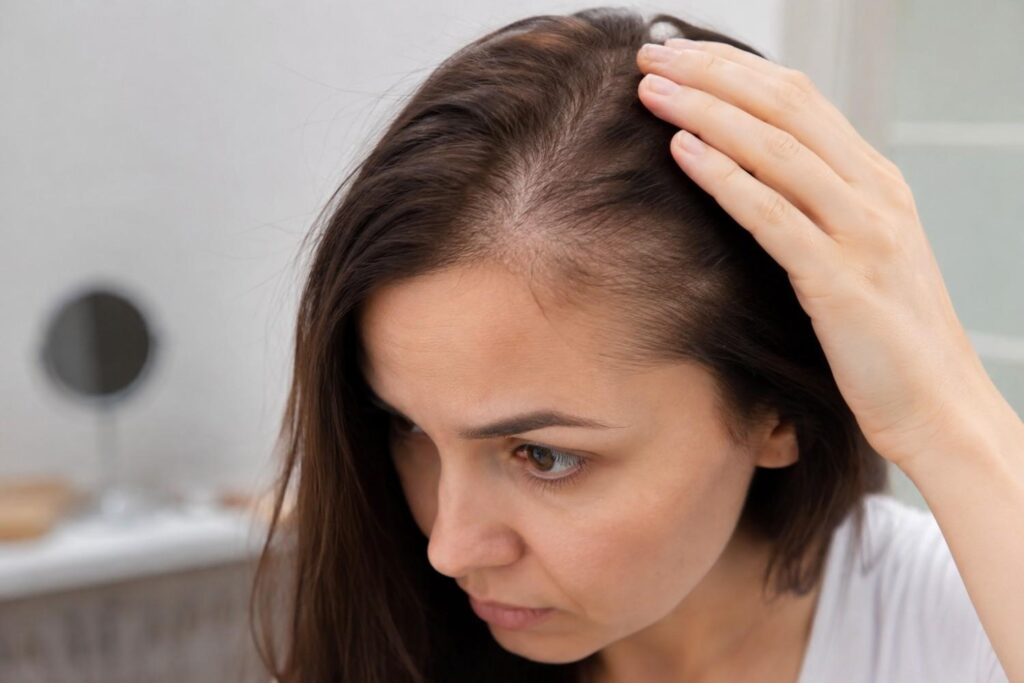
Follicular Unit Extraction (FUE)
FUE removes healthy hair follicles one at a time from the back or sides of the scalp and places them into thinning areas. The small openings heal quickly, and most women return to normal activities within a few days. Female hair restoration with FUE creates natural-looking results for many patients. Many people also search for FUE hair transplant Long Island when learning about this procedure. As a result, female hair thinning surgical restoration can help women with healthy donor hair and stable thinning.
Key Benefits:
- Natural Look: Hair blends with existing hair.
- Fast Healing: Most women recover quickly.
- Small Marks: Tiny scars are hard to notice.
- Less Pain: The procedure is gentle.
- Best Candidates: Women with enough healthy donor hair.
NeoGraft Procedure
NeoGraft uses advanced tools to perform FUE with more accuracy and care. The system helps protect healthy hair follicles during the procedure and supports faster healing. In addition, female surgical hair restoration procedures often include NeoGraft because it can provide natural-looking hair growth with little downtime.
Follicular Unit Transplantation (FUT)
FUT hair transplant in Long Island removes a thin strip of scalp to collect healthy hair follicles before placing them into thinning areas. This method can provide many grafts in one session, but it leaves a thin line scar. Even so, women with hair loss in women that affects larger areas may benefit from FUT when a specialist recommends it.
Are You a Good Candidate for Hair Restoration?
Donor Hair Quality
Healthy donor hair is one of the most important parts of a successful procedure. Doctors usually take hair from the back or sides of the scalp because it is stronger and lasts longer. As a result, female hair thinning surgical restoration works best when enough healthy donor hair is available.
Hair Thinning Pattern
The way your hair becomes thinner also helps decide if surgery is the right choice. Some women have thinning in one area, while others lose hair across a larger part of the scalp. A careful exam helps your doctor choose the best treatment for your needs.
Overall Health
Good overall health helps your body heal after surgery. Your doctor will review your medical history, medicines, and scalp condition before creating a treatment plan. In addition, female surgical hair restoration procedures are often more successful when patients are healthy and ready for recovery.
Realistic Expectations
Hair restoration can make your hair look fuller, but it may not bring back the amount of hair you had years ago. Your doctor will explain what results you can expect before treatment. This helps you feel confident and understand the full process.
Getting Ready for Your Hair Restoration Procedure
Consultation
Your first visit helps the medical team learn about your hair loss, health, and goals. They will examine your scalp, answer your questions, and explain the best treatment for your needs. Dr. Lawrence Barnard has more than 25 years of medical experience and has performed hair restoration procedures for many patients. During your visit, he will determine if female hair thinning surgical restoration is the right choice for you.
Medical Evaluation
A full medical evaluation helps your provider create a treatment plan that fits your needs. Your provider will review your health history, donor hair, and scalp before recommending treatment. Rhonda Daniels, PA-C is a board-certified physician assistant who specializes in FUE hair restoration and provides consultations, procedures, and post-operative care. She also helps patients understand their options for female surgical hair restoration procedures.
Pre-Procedure Steps
Before your procedure, your provider will explain how to prepare for surgery. You may need to avoid certain medicines, smoking, or alcohol for a short time to support healing. Marcelo Acosta, PA-C has more than 20 years of clinical experience and has completed advanced training in hair restoration. He helps patients prepare for treatment and supports them throughout the care
What Makes Our Hair Restoration Care Different?
Experienced Medical Team
Our medical team has years of experience helping people with different types of hair loss. We use trusted methods and stay involved in every step of your care, from your first visit to your recovery. As a result, female hair thinning surgical restoration is carefully planned to match your hair goals and needs.
Personalized Treatment Plans
Every person has a different hair loss pattern, so we create a treatment plan that fits your condition. We take time to examine your scalp, donor hair, and medical history before we recommend a procedure. This helps us provide care that is safe, personal, and focused on long-term results.
Advanced Technology
We use modern tools and proven techniques to improve accuracy and support natural-looking results. Our office offers FUE technology, FUT, PRP, laser therapy, and other treatment options to meet different hair restoration needs. In addition, we choose the best technology based on your hair condition instead of using the same approach for everyone.
Patient-Focused Care
We care about your comfort, privacy, and results from start to finish. We perform only a small number of procedures each day, so we can give every patient the attention they deserve. If you are looking for why to choose us, you will see that we focus on honest advice, clear communication, and care that puts your needs first.
Ready to Restore Your Hair?
If you are thinking about female hair thinning surgical restoration, our team is here to help you take the next step. Hair Transplant Long Island will answer your questions, explain your options, and create a treatment plan that fits your needs. Call (631) 824-2741 to schedule your consultation and learn how we can help you achieve fuller, natural-looking hair.
FAQs
1. Who is a good candidate for female hair thinning surgical restoration?
Many women with stable hair thinning and healthy donor hair may qualify for surgery. Your provider will examine your scalp, review your health, and discuss your goals before recommending female hair thinning surgical restoration. This helps ensure the procedure is safe and suitable for your needs.
2. How long does it take to recover after surgery?
Most women recover within a few days, although healing time depends on the procedure. You may notice mild swelling or tenderness at first. Following your provider’s instructions helps your scalp heal well and supports healthy hair growth.
3. Will my results look natural?
Yes. Modern techniques place each hair follicle in a natural direction to match your existing hair. As your new hair grows, it blends with the surrounding hair and creates a fuller, more natural appearance.
4. How soon will I see new hair growth?
Most women begin to see new hair growth a few months after the procedure. Hair continues to grow over time, and full results often appear within 9 to 12 months. Your provider will explain what you can expect during recovery.
5. How do I know which procedure is right for me?
Your provider will examine your hair, scalp, and donor area before recommending a treatment. They will explain the benefits of each option and help you choose the procedure that best matches your hair loss pattern and long-term goals.