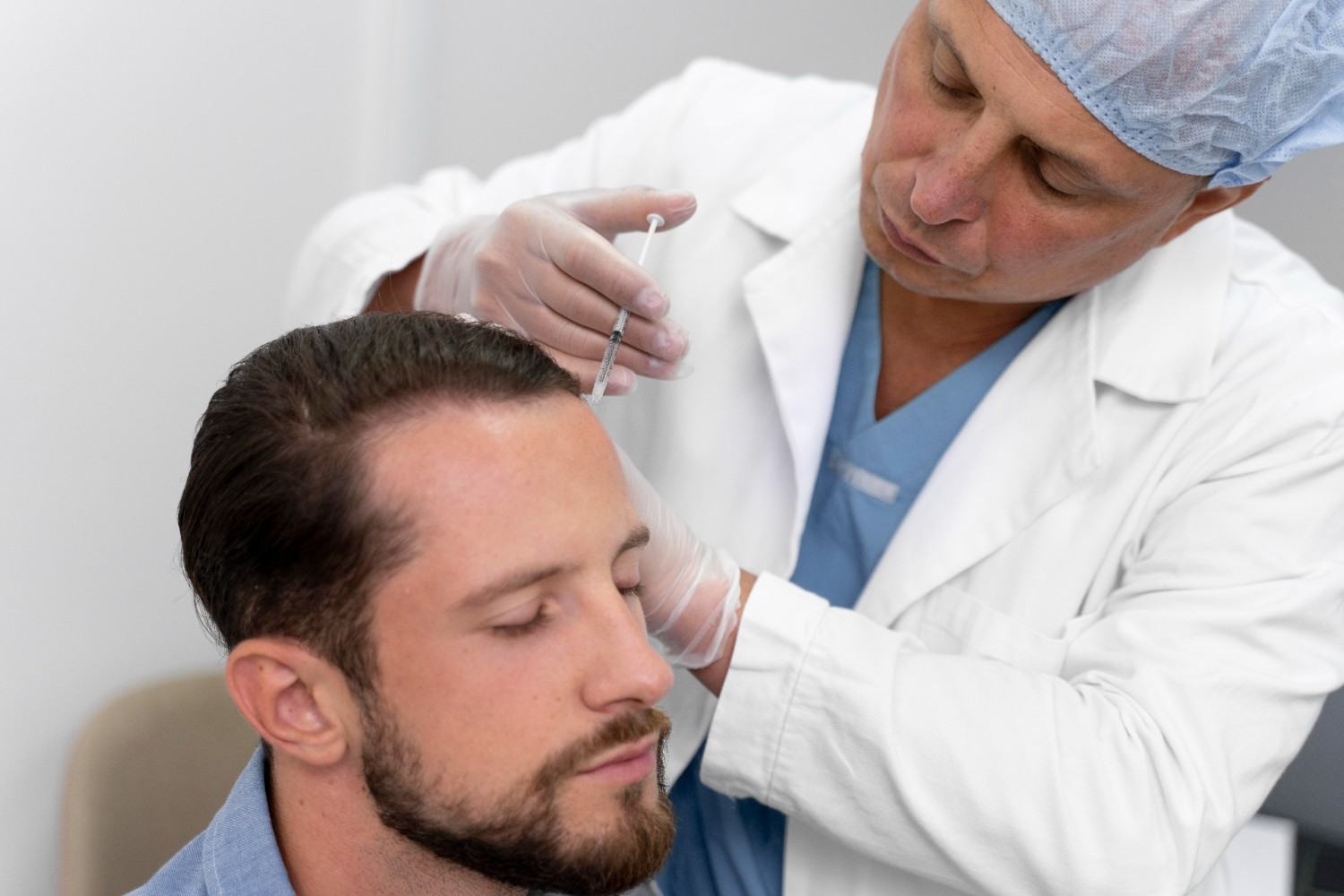
Understanding the hair restoration recovery timeline helps set realistic expectations, as the process is outpatient with a few days of initial downtime and temporary shedding. You can expect mild swelling and scabbing in the first week, followed by hair shedding in weeks two to three, with full, natural-looking results emerging 6 to 12 months later.
At Hair Transplant Long Island, clients receive personalized aftercare guidance to support a smooth recovery and healthy hair growth. Following your specialist’s instructions throughout each stage can help promote optimal healing and achieve the most natural-looking results possible.
Understanding The Recovery Process
Why Recovery Varies From Person To Person
Each person heals at a different pace because every body is unique. Your age, health, and daily habits can all affect your hair restoration recovery timeline, so some people recover faster while others need more time.
Factors Affecting Healing
Several things can change how well your scalp heals after the procedure. Your overall health, good nutrition, and proper scalp care all help speed up healing. Many people choose treatment because of male pattern baldness, but each person still heals in their own way.
Importance Of Following Your Specialist’s Aftercare Instructions
Your specialist gives you clear steps to help your scalp heal safely. You should follow every instruction because it lowers the risk of problems and helps you get better results. These care tips also support people with hair loss in women, even though each recovery experience may be different.
Hair Restoration Recovery Timeline
Days 1 To 5: Healing Begins
The first few days focus on helping your scalp heal. You may feel mild soreness, notice tiny scabs, and see some swelling around your forehead or eyes. Your specialist may ask you to sleep with your head raised and avoid touching the treated area because these simple steps help protect the new grafts. The hair restoration recovery timeline often starts with these normal changes, and they usually improve each day.
- Mild Discomfort: You may feel slight soreness, but it should get better each day.
- Tiny Scabs: Small scabs help protect the healing skin, so let them fall off on their own.
- Swelling: Mild swelling around the forehead or eyes is common and usually goes away in a few days.
Days 7 To 10: Returning To Normal Activities
Most people feel much better during this stage. Swelling goes down, redness starts to fade, and you can often wash your hair with extra care. Many people also return to desk work if they feel ready. Your doctor may remind you to keep protecting your scalp while it continues to heal. Many patients who choose FUE hair transplant in Long Island return to their normal routine during this stage with their specialist’s approval. At this point, the hair restoration recovery timeline shows that healing is moving in the right direction.
- Gentle Hair Washing: Wash your hair carefully by following the steps your specialist gives you.
- Scalp Protection: Keep your scalp safe from strong sunlight and avoid anything that may cause injury.
Weeks 2 To 3: Temporary Shedding
You may notice some of the new hairs falling out during this stage. This can seem scary, but it is a normal part of healing. The hair roots stay in place under the skin and begin preparing for new growth. Patients who have a FUT hair transplant in Long Island may also see temporary shedding before healthy new hair starts to grow.
Months 3 To 4: Early Hair Growth
Small, fine hairs often begin to grow during these months. Some areas may grow faster than others, so the results can look uneven at first. Your scalp still heals under the surface, and the new hair becomes stronger with time.
- Fine Hair Growth: New hairs may look soft and thin in the beginning.
- Uneven Growth: Some spots grow sooner than others, and this is completely normal.
Months 6 To 12: Full Results Develop
Your hair continues to grow thicker and fuller during this stage. The new hair blends better with your natural hair and creates a more even look. Most people enjoy their final results by the end of the first year as their hair keeps improving. By the end of the hair restoration recovery timeline, you can expect fuller hair and more natural-looking results.
- More Density: Your hair looks fuller as more strands grow.
- Natural Appearance: The new hair blends with your existing hair for a natural look.
Common Symptoms You May Experience
Mild Swelling
Many people notice mild swelling during the first few days after the procedure. The swelling often appears around the forehead or eyes and slowly goes away on its own. The hair restoration recovery timeline includes this stage because it is a normal part of healing.
Small Scabs
Small scabs form around each new graft as your skin heals. These scabs protect the area, so let them fall off naturally instead of picking at them. Your scalp usually becomes cleaner as the healing continues.
Temporary Redness
Your scalp may look pink or red for several days after the procedure. This redness slowly fades as your skin heals. Most people see steady improvement with proper care.
Itching During Healing
Your scalp may feel itchy while it heals. This happens because your skin repairs itself. You should avoid scratching the area because it can slow healing and affect the new grafts.
Mild Scalp Tightness
Your scalp may feel tight for a short time after the procedure. This feeling becomes better as your skin heals. Resting and following your specialist’s care instructions can help you stay comfortable.
Temporary Numbness
Some people notice numbness in the treated area for a short time. This feeling usually fades as the nerves recover. Most patients regain normal feeling as the healing process continues.
Essential Aftercare Tips For A Smooth Recovery
Sleep With Your Head Elevated
Keep your head raised while you sleep for the first few nights. This simple step helps lower swelling and keeps pressure away from your scalp. Your hair restoration recovery timeline may stay on track when you follow this advice every night.
Avoid Strenuous Exercise
Wait before doing hard workouts or lifting heavy things. Sweating too much can slow healing and may bother the treated area. Instead, give your body enough time to recover before you become active again.
Wash Your Scalp Gently
Wash your scalp with care by using the shampoo your specialist recommends. Use soft hands and avoid rubbing or scratching the area. Your scalp will heal better when you clean it gently.
Protect Your Scalp From Direct Sunlight
Keep your scalp away from direct sunlight while it heals. Strong sun can irritate your skin and slow the healing process. Stay in the shade when you can, and follow your specialist’s advice.
Wear Loose Fitting Headwear If Recommended
Wear a loose hat only if your specialist says it is safe. A soft hat helps protect your scalp without putting pressure on the healing area. Tight hats can rub against the new grafts and should be avoided.
Follow Prescribed Medications
Take all medicines exactly as your specialist tells you. These medicines help lower swelling, prevent infection, and support healing. Do not stop taking them unless your specialist tells you to.
Attend Follow Up Appointments
Go to every follow up visit with your specialist. These visits help your specialist check your healing and answer your questions. Regular checkups also help make sure your recovery stays on the right path.
Tips For The Best Long Term Results
Follow All Aftercare Instructions
Follow every step your specialist gives you after your procedure. These simple steps help your scalp heal well and protect the new grafts. The hair restoration recovery timeline often goes more smoothly when you follow your aftercare plan each day.
- Clean Your Scalp Carefully: Wash your scalp only as your specialist recommends.
- Follow Every Step: Do not skip any part of your care plan because each step helps your recovery.
Attend Scheduled Follow Up Visits
Go to every follow up visit, even if your scalp feels better. Your specialist checks your healing, answers your questions, and makes sure everything is going well. Some patients also ask about Long Island PRP for hair loss as an added treatment after they recover, depending on their specialist’s advice.
Protect Your Scalp During Healing
Keep your scalp safe while it heals. Stay out of direct sunlight and avoid anything that could bump or rub the treated area. These simple habits help protect your new grafts.
- Stay Out Of The Sun: Wear protection if your specialist says it is safe.
- Avoid Scalp Injuries: Be careful during daily activities to keep the treated area safe.
Maintain A Healthy Lifestyle
Eat healthy foods, drink enough water, and get plenty of sleep each day. Your body heals better when you take good care of your health. Healthy habits also support strong hair growth over time.
Stay Patient Throughout The Hair Growth Cycle
Give your hair enough time to grow. New hair grows little by little, so you may not see full results right away. Stay positive because your hair will continue to improve as the months pass.
Why Choose Us For Your Recovery Journey?
Experienced Hair Restoration Team
Our team has many years of training and hands on experience in hair restoration. Dr. Lawrence Barnard, Rhonda Daniels, PA-C, and Marcelo Acosta, PA-C work together to give each patient safe care and personal attention from the first visit through recovery.
- Skilled Care: Our team has treated many patients with different hair restoration needs.
- Personal Support: We answer your questions and help you feel confident during every step of your recovery.
Personalized Aftercare Guidance
We create an aftercare plan that fits your needs and recovery goals. Your specialist explains each step in simple words, so you know what to do at home. The hair restoration recovery timeline becomes easier to follow when you understand what to expect each day.
Advanced Hair Restoration Technology
We use modern tools to support careful treatment and healthy healing. The WAW FUE system helps our team perform precise graft removal while protecting healthy hair follicles.
- Modern Equipment: We use advanced technology to improve comfort and accuracy.
- Careful Treatment: Our team focuses on giving every graft the best chance to grow.
Comprehensive Patient Support
We stay with you before, during, and after your procedure. Our team checks your progress, answers your questions, and helps you feel supported throughout your recovery. This is one of the reasons many patients understand why they choose us for their hair restoration care.
Convenient Care And Natural Looking Results
Our office serves Long Island and nearby communities, making follow up visits simple and convenient. We focus on helping your new hair blend naturally with your existing hair, so you can enjoy results that look full and natural.
Ready To Start Your Recovery With Confidence?
If you want expert care and clear guidance through your hair restoration recovery timeline, the team at Hair Transplant Long Island is here to help. Contact us today to schedule your consultation and learn how we can support you from your procedure through every step of your recovery.
FAQs
1. How long does it take to recover after a hair transplant?
Most people recover from the first stage within 7 to 10 days. Full hair growth takes longer, and most people see their final results within 6 to 12 months.
2. Is swelling normal after the procedure?
Yes. Mild swelling is common during the first few days. It usually goes away on its own if you follow your specialist’s aftercare instructions.
3. When can I wash my hair after the procedure?
Your specialist will tell you when it is safe to wash your hair. Most people can begin gentle hair washing within a few days by following the recommended steps.
4. Is it normal for new hair to fall out?
Yes. Temporary shedding is a normal part of the healing process. The hair roots stay healthy under the skin and new hair will begin to grow in the following months.
5. When should I contact my specialist during recovery?
You should contact your specialist if you have severe pain, heavy bleeding, signs of infection, or swelling that gets worse instead of better. Early care can help prevent complications.