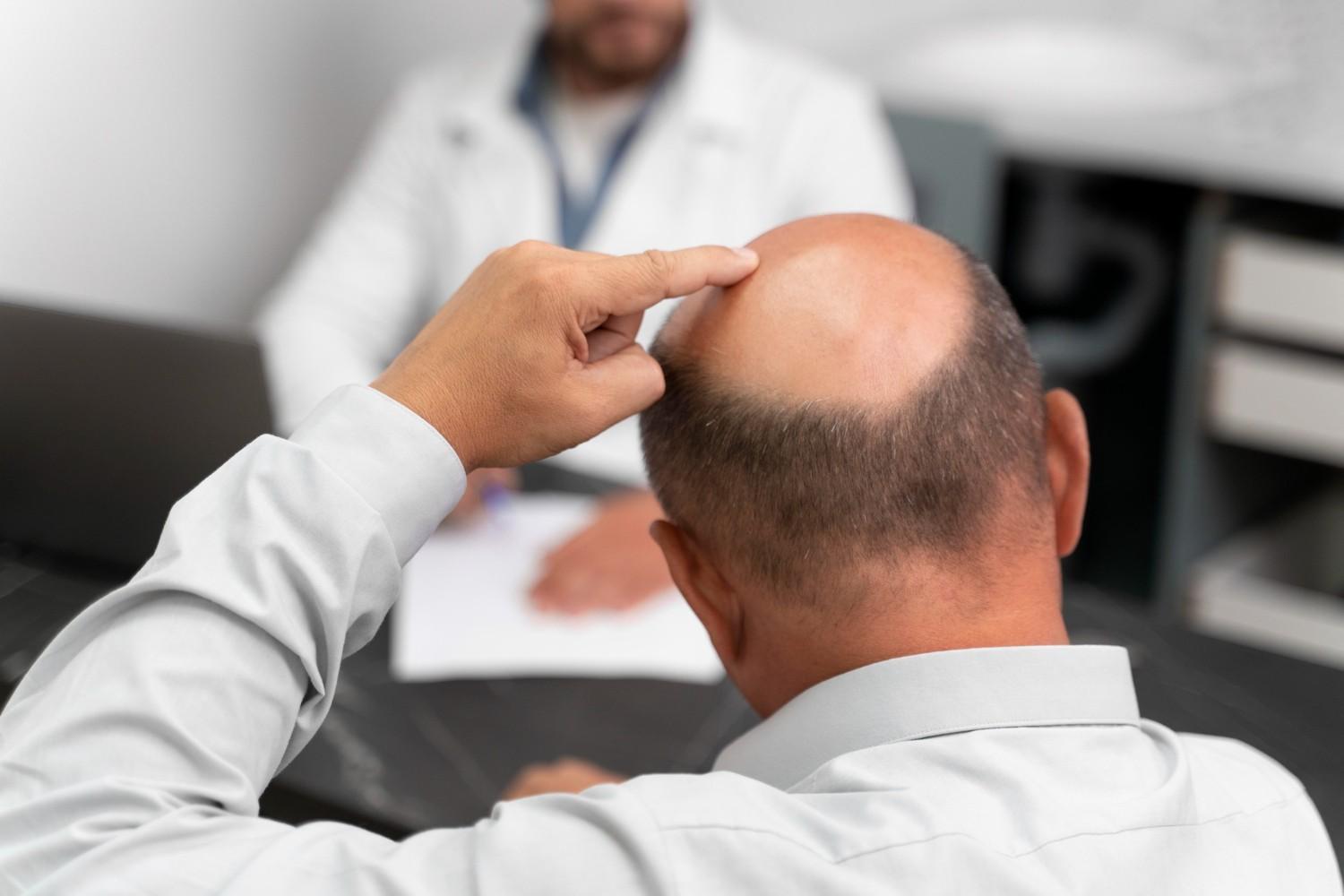
When searching for the best Long Island crown hair transplant clinic, patients often look for experienced specialists who treat thinning crowns in men using advanced FUE and FUT techniques. Leading clinics in the area focus on natural crown restoration, careful graft placement, and personalized treatment plans.
Patients seeking reliable crown restoration often choose Hair Transplant Long Island for advanced hair transplant techniques and personalized care. The clinic provides consultations, evaluates crown thinning carefully, and develops treatment plans designed to restore natural density and improve confidence for men experiencing crown hair loss.
Understanding Crown Hair Loss In Men
What Is Male Pattern Baldness?
Male pattern baldness is a common reason men lose hair. It happens when hair slowly becomes thin and weak over time. The hair often recedes from the front or thins at the crown of the head. Doctors link this condition to genes and certain hair loss causes, such as hormones that shrink hair follicles. As a result, the hair grows shorter and thinner until it may stop growing.
What Happens When The Crown Area Starts To Thin?
The crown is the top back part of the head. Hair in this area often grows in a swirl pattern. Because of this pattern, thinning can become easy to see. The scalp may start to show through the hair. Many men notice this spot getting wider as time passes. People who research treatments often search for the best Long Island crown hair transplant clinic when the crown becomes hard to hide.
Early Signs Of Crown Hair Loss
Some early signs appear before the hair loss becomes severe. Hair may look flat or less full on the crown. The scalp might show under bright light. In addition, you may notice more hair falling when you brush or wash it. Many men also see the swirl at the crown becoming larger.
Why Men Experience Crown Thinning?
Men often experience crown thinning because of genetics and hormones. A hormone called DHT can shrink hair follicles over time. Smaller follicles grow thinner hair each cycle. Stress, aging, and poor scalp health can also play a role. Because of this, the hair slowly becomes weaker and less dense at the crown.
Why The Crown Area Is Harder To Restore With Hair Transplants?
Hair on the crown can be harder to restore than hair in other parts of the scalp. The hair grows in a unique pattern and spreads in many directions. Because of this, doctors must plan the procedure very carefully to create natural results.
- Swirl pattern of crown hair: Hair on the crown grows in a round swirl, also called a whorl. The strands move in different directions around the center point. Because of this swirl, doctors must place each hair carefully so the new hair blends with the natural pattern.
- Need for proper graft direction: Each hair graft must face the same direction as the surrounding hair. If the direction is wrong, the hair can look unnatural. Skilled surgeons study the angle and flow of the crown before placing each graft. Many people look for the best Long Island crown hair transplant clinic to make sure doctors handle this step with care.
- Importance of surgical planning: Doctors must plan the crown procedure before surgery begins. They check the size of the thinning area and the number of grafts needed. They also study the hair pattern and scalp health. Good planning helps the new hair grow in a way that looks full and natural.
Hair Transplant Methods Used By The Best Long Island Crown Hair Transplant Clinic
Doctors use modern hair transplant methods to restore thinning hair on the crown. These methods move healthy hair from one part of the scalp to the thin area. Skilled surgeons at the best Long Island crown hair transplant clinic choose the right method based on the size of the crown and the amount of hair loss.
FUE Hair Transplant For Crown Restoration
- Follicular unit extraction: Doctors remove tiny hair follicles one by one from the donor area. This method is called Follicular unit extraction (FUE) hair transplant. Each follicle contains a small group of hairs that doctors can move to the crown.
- Minimal scarring: FUE uses very small tools to remove the hair follicles. Because the cuts are tiny, the scalp heals quickly. Most people see very little scarring after the procedure.
- Natural placement: Doctors place each hair follicle in the crown with care. They follow the natural hair direction and swirl pattern. This helps the new hair blend well with the existing hair.
FUT Hair Transplant For Larger Crown Areas
- Strip harvesting: Doctors remove a thin strip of skin from the donor area. They then separate this strip into small hair grafts. This method is called a FUT hair transplant.
- Higher graft count: FUT allows doctors to collect many hair grafts in one session. This helps treat larger crown areas that need more hair coverage.
- Advanced hair loss treatment: Doctors often use FUT for people with severe crown thinning. The method provides enough grafts to improve hair density. As a result, the crown can look fuller over time.
How The Best Long Island Crown Hair Transplant Clinic Creates Natural Results
Careful Hairline And Crown Design
Doctors study the shape of the head before placing new hair. They look at the natural hairline and the swirl on the crown. Then they design a plan that matches how hair should grow. Skilled teams at Hair Transplant Long Island create patterns that blend with existing hair. Because of this careful work, many people search for the best Long Island crown hair transplant clinic when they want natural looking results.
Proper Graft Density
Doctors also plan how close each hair graft should be. This step helps the crown look full without crowding the scalp. They spread the grafts evenly across the thinning area. As the hair grows, the crown slowly looks thicker and more balanced.
Correct Follicle Placement Angle
Each hair follicle must face the right direction. Doctors study the angle of nearby hair before placing a graft. Then they insert the follicle to match that angle. This step helps the hair flow in the same direction as natural hair.
Skilled Surgeon Experience
Experience helps surgeons make better decisions during the procedure. An experienced doctor understands hair growth patterns and crown design. They also know how to place grafts with care. Because of this skill, the final result can look smooth and natural.
Benefits Of Choosing The Best Long Island Crown Hair Transplant Clinic
Natural Looking Hair
Doctors place each hair graft with care so the new hair looks real. They match the direction and angle of the natural hair. As the hair grows, it blends with the existing hair. Many patients choose the best Long Island crown hair transplant clinic because they want results that look natural and balanced.
Long Term Results
Hair transplants use healthy hair from the donor area of the scalp. This hair often keeps growing for many years. Because of this, the results can last a long time. Patients can wash, cut, and style the new hair like normal hair.
Improved Confidence
Hair loss can make some people feel shy or unhappy with their look. A crown hair transplant can help restore a fuller appearance. As the hair grows back, many people feel more confident in daily life. They often feel better at work, school, and social events.
Advanced Medical Technology
Modern clinics use advanced tools to improve hair transplant procedures. These tools help doctors collect and place hair grafts with more accuracy. As a result, the procedure becomes safer and more precise. Patients also benefit from faster healing and better overall results.
Who Is A Good Candidate For Crown Hair Transplant?
Not everyone with crown hair loss needs the same treatment. Doctors study several factors before they suggest a hair transplant. They want to make sure the patient can get safe and natural results.
- Donor hair availability: Doctors check the back and sides of the head for healthy hair. This hair becomes the donor hair used for the transplant. Strong donor hair helps doctors fill the thin crown area.
- Hair loss stage: Doctors also study how much hair loss has happened. Some people have early thinning, while others have larger bald spots. Many people begin researching the best Long Island crown hair transplant clinic when crown thinning becomes easier to see.
- Age considerations: Age can affect hair loss patterns. Younger men may still lose more hair over time. Doctors often study future hair loss before they plan the procedure.
- Scalp health: A healthy scalp helps transplanted hair grow well. Doctors check for skin problems, irritation, or infection. Clean and healthy skin helps the scalp heal after the procedure.
Need Crown Hair Help?
If you are searching for the best Long Island crown hair transplant clinic, expert care can help restore fuller hair. Hair Transplant Long Island offers advanced crown hair restoration and personalized treatment plans. Call (631) 824-2741 today to learn more and schedule your consultation.
FAQs
1. What causes hair loss in the crown area?
Crown hair loss often happens because of male pattern baldness. This condition is linked to genetics and hormones. Over time, the hair in the crown area becomes thinner and may stop growing.
2. How does a crown hair transplant work?
Doctors take healthy hair from the back or sides of the scalp. They then place these hair follicles into the thinning crown area. The transplanted hair can grow naturally in its new location.
3. How long does it take to see results after a crown hair transplant?
Most patients notice new hair growth within three to four months. The hair becomes thicker over time. Full results usually appear within nine to twelve months.
4. Is a crown hair transplant permanent?
Yes, the transplanted hair usually lasts for many years. Doctors use strong donor hair that resists hair loss. With proper care, the results can remain long term.
5. Is the crown hair transplant procedure painful?
Doctors use local anesthesia during the procedure to keep patients comfortable. Most people feel little to no pain during treatment. Some mild soreness may occur for a few days after the procedure.